

Graphite Industry Might be The Next Big Story !
How Steel Making Revolutionized
Around 180 years ago, English inventor Henry Bessemer patented a method to convert iron into steel at a much lower cost known as the Bessemer Process, it revolutionized steelmaking and laid the foundation for modern industrial growth. However, this process relied on blast furnaces, which generate enormous heat using fossil fuels and emit large quantities of carbon dioxide.
Blast furnaces are structurally tied to fossil fuels and release nearly 2–3 tonnes of CO₂ for every tonne of steel produced. They also operate continuously and cannot be switched off easily. Once started, a blast furnace typically runs for an entire year. As a result, traditional steelmaking has remained one of the most carbon-intensive industrial processes.
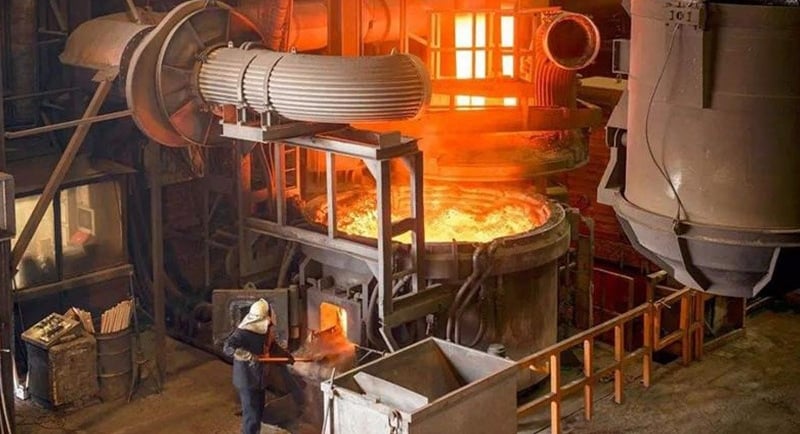
Over time, the industry began shifting toward Electric Arc Furnaces (EAFs). Unlike blast furnaces, EAFs use high-power electric currents to generate temperatures of 3,000–4,000°C, which melt iron and scrap steel. These furnaces emit nearly one-tenth the carbon of blast furnaces. As electricity becomes cheaper and greener, EAFs are increasingly becoming a cost-effective and environmentally viable method of steel production. Today, EAFs account for around 30% of global steel output.
Graphite: The “Steel Keeper”
There is only one material that makes electric arc furnaces possible i.e. graphite. At temperatures where most industrial metals melt, graphite becomes even stronger. This unique property has earned graphite the title of “steel keeper.” Without graphite electrodes, EAFs simply cannot function.
The graphite electrode industry has extremely high entry barriers. Setting up a single facility can cost around $250 million, making it difficult for new players to enter. India plays a surprisingly important role in this global niche. HEG operates the world’s largest single-site graphite electrode manufacturing facility, while Graphite India is another major player. Together, these two companies produce nearly 200,000 tonnes, accounting for 40–47% of global capacity outside China.
In recent years, high costs forced nearly 150,000 tonnes of global graphite electrode capacity to shut down. However, the industry may now be entering an upcycle.
Raw Materials, Batteries, and Strategic Importance
One of the biggest challenges in graphite electrode manufacturing is raw material availability. Producing high-power electrodes requires needle coke, a critical input that accounts for nearly 70% of total production costs. Needle coke enables graphite to withstand extreme temperatures of up to 3,000°C without breaking apart.
Graphite’s importance goes beyond steel. As EV Revolutionized, 55–65% of lithium-ion batteries require graphite as a key component, and battery applications demand the highest quality graphite. Recognizing this strategic importance, Indian Oil has recently opened a needle coke manufacturing facility in India.
China Policy Shifts & Global Opportunity
China’s policy decision to shut down polluting blast furnaces and rapidly shift toward electric arc furnaces proved to be a turning point for the graphite electrode industry. Demand surged sharply, and prices jumped from $2,500 per tonne to nearly $15,000 per tonne within a single year.
This dramatic shift transformed the fortunes of Indian manufacturers. HEG, which reported a loss of ₹44 crore in 2017, went on to post profits of over ₹3,026 crore by 2019.
Looking ahead, nearly 110 million tonnes of new electric steel capacity is expected to come online globally. At the same time, several countries are actively trying to reduce dependence on Chinese imports. For instance, Japan imposed a 9.52% anti-dumping duty on graphite electrode imports from China. Such trade measures are opening up opportunities for manufacturers outside China to gain market share.