
The $2 Trillion Clean Tech Race & Why China Is Already Miles Ahead
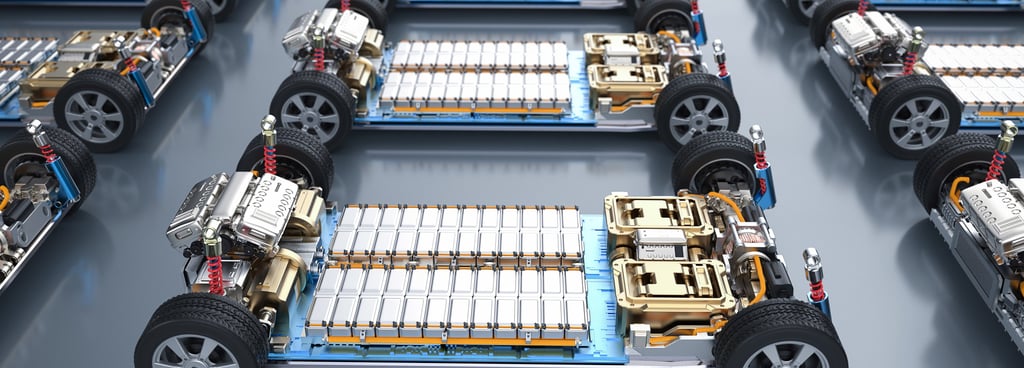
In 2023, the global clean technology market was valued at around $700 bn and is expected to grow to nearly $ 2 trillion by 2035. In 2020, nearly 75% of clean technology manufacturing took place in China, while only about 5% occurred across emerging economies in Africa and Asia.
Around 85% of global solar PV output comes from China. Chinese companies such as BYD and CATL together produce more than half of the world’s EV batteries. China’s dominance is driven by its heavily subsidized energy transition, which has made batteries cheap enough for adoption by many countries worldwide.
However, these subsidized costs prevent firms in other countries from developing clean technologies competitively. While China’s supply acts as a short-term solution for countries needing affordable batteries, it also creates long-term dependence.
Since 2000, China has supported its clean-tech sector through subsidies such as cheap land, concessional loans, and tax holidays for EV battery and solar manufacturers. China invested nearly USD 200 billion in building its EV ecosystem. As a result, EVs now account for around 50% of total vehicle sales in China, and the country has emerged as the world’s largest car exporter.
How China Milked Indonesia
With large nickel reserves, Indonesia banned raw nickel exports and pursued resource nationalism by encouraging foreign firms to set up manufacturing within the country. This led to China establishing nickel-processing facilities, increasing Indonesia’s nickel-related exports from $6 billion to $30 billion. Chinese firms control around 75% of Indonesia’s nickel refining industry, capturing most of the profits, while Indonesia bears the environmental costs of excessive mining.
How India is Playing it's Role
In India’s case, despite initiatives such as the PLI scheme, nearly 4/5th of solar PV imports still come from China. A large share of India’s solar exports goes to the US. Many emerging economies remain stuck in low-value segments of global value chains. In the solar industry, for instance, countries import cells and panels and merely assemble them domestically, with minimal technological involvement and thin margins.
To escape this trap, countries must create strong domestic demand through targeted EV and clean-energy policies. This demand can support the development of local manufacturing capabilities. Subsidy schemes should reward learning, innovation, and technological dept not just capacity installation. At the same time, engagement with China must be strategic.
The transition to low-emission technologies presents an opportunity for global industrial recognition. If countries like India fail to establish a meaningful role in clean technology development, they risk remaining exporters of raw materials and importers of high-value equipment while disproportionately absorbing the global costs of climate change.